















Pressure Points and Percussion: How Modern Devices Target Tension

Pressure Points and Percussion: How Modern Devices Target Tension
In a world that seems to move faster by the day, our bodies carry the hidden weight of stress, sedentary work, and repeated motion. Chronic tension isn't just a feeling-it's a pattern etched into our muscles, fascia, and nerves. Enter the modern devices that promise to locate tension points and deliver targeted percussion to release it. From handheld massagers that echo a therapist's kneading to smart devices that tailor sonic pulses to your body's signals, the 21st century has transformed how we approach tension management. This post explores how contemporary gear targets pressure points, what the science says about percussion therapy, and how to choose tools that fit your body and lifestyle.
Understanding Tension: The Body's Pressure Points
When we talk about tension, we're often talking about two interwoven systems: the neuromuscular network and the fascia that surround and connect every muscle. Muscles contract and relax in response to neural commands, but overuse, poor posture, and emotional stress can create "holding patterns"-areas where muscles become chronically shortened, stiff, or hyperactive. These zones can form so-called trigger points, taut bands within a muscle that can radiate pain, reproduce stiffness, and limit range of motion. In parallel, the fascia-the connective tissue that envelopes muscles like a web-can become rigid or adhesed after injury, repetitive strain, or inflammation. When fascia loses its pliability, movement transmits resistance rather than smoothness, and tension travels through contiguous tissues rather than being isolated to one spot.
Pressure points are a term with multiple meanings. In traditional Eastern practices, pressure points refer to acupressure points along meridians where focused fingertip pressure can influence energy flow and perceived tension. In Western musculoskeletal science, pressure points often describe anatomical hotspots where nerves, tendons, and muscle fibers interact in ways that are especially prone to tenderness or restricted movement. Modern devices blend these ideas: they target precise anatomical loci-knots, trigger points, muscle bellies-while also delivering a broader, systemic stimulus that can modulate pain and tension signals at the nervous system level.
How do devices know where to apply percussion? The answer is a mix of anatomy, user feedback, and engineering. Many devices allow the user to locate a sore spot through self-palpation-pressing gently to identify tight bands or tender nodules-and then apply a series of rapid taps or strokes. Others rely on sensors that guide the depth and speed of the percussion, or on preset programs that map common problem areas: the neck and shoulders from hours at a desk, the hip flexors after long drives, or the calves after a run. In either case, the goal is to convert a static pattern of tension into a dynamic, rhythmic stimulus that can encourage relaxation, improve circulation, and restore mobility.
From Manual to Mechanical: The Evolution of Tension-Targeting Devices
Massage has a long history as a hands-on approach to release tension. Traditional kneading, tapping, and stretching rely on tactile feedback and the therapist's intuition to locate sore spots and tailor pressure. The mechanization of massage began a few decades ago with electric massagers that mimic kneading and tapping motions, gradually evolving toward sophisticated percussion devices designed to deliver powerful, high-frequency impulses with precise control over depth and cadence. The shift from manual to mechanical therapy offers several advantages:
- Consistency: A device can deliver uniform strokes and rhythm, which can be hard to sustain over a long session by hand.
- Accessibility: Personal percussion devices bring massage-like relief into homes, offices, and gyms, democratizing access to tension relief.
- Data and customization: Modern devices often include settings, timers, and even app-based programs that tailor therapy to specific muscles and activities.
Today's percussion devices come in a range of styles. Handheld massagers with a pistol-like grip enable users to pinpoint a knot and apply rapid percussions at adjustable depths. Some devices emphasize deep, high-amplitude strokes intended for larger muscle groups such as the glutes or quads. Others favor lighter, rapid tapping ideal for delicate areas like the forearms or the neck. There are arm-mounted or stand-based units that can deliver broader percussion across the shoulder girdle, and even wearable devices that provide continuous, gentle stimulation during activities or recovery windows. The unifying idea is a motor-driven, repeatable impulse that simulates the familiar "tap-tap-tap" of a therapist's percussion technique, but with the precision and control to work around individual tolerances.
The Science Behind Percussion Therapy
What makes percussion therapy a credible tool for releasing tension? A few interlocking mechanisms help explain both short-term relief and longer-term improvements in flexibility and comfort.
First, mechanotransduction. When tissue is periodically deformed by percussion, cells sense the mechanical forces and respond by adjusting fluid flow, collagen alignment, and cellular activity. This can promote healthier tissue remodeling and help break apart adhesions that tether muscles and fascia to neighboring structures. Over time, these micro-adjustments can reduce stiffness and improve range of motion.
Second, circulation and lymphatic drainage. Percussion creates a pumping action within the tissues, which can increase local blood flow and accelerate the removal of metabolic waste products that accumulate during contraction. Enhanced circulation nourishes muscle fibers, aids in oxygen delivery, and speeds recovery after exercise or injury. Improved lymphatic drainage can reduce swelling and promote a sense of lightness in the limbs.
Third, neural modulation. The nervous system interprets the rapid, rhythmic pulses as a non-threatening sensory signal, which can engage the gate control mechanism of pain. By increasing non-noxious input through vibration, the brain may dampen the perception of pain in a given region. Some users report a numbing or soothing sensation after a percussion session, which often correlates with decreased muscle tone and restored perceived comfort.
Fourth, reflexive relaxation and fascia release. The mechanical stimulus can trigger a reflexive inhibition of overactive muscle fibers (a phenomenon sometimes described as autogenic inhibition). As a muscle relaxes, the surrounding fascia-the connective tissue that forms a three-dimensional network-may release adhesions and rehydrate, returning collagen fibers to a more pliable arrangement. This combination of tissue softening and neural quieting can yield longer-lasting improvements beyond the immediate session.
Finally, the specificity-versus-broadness balance. Some devices are designed to deliver a high-intensity, targeted pulse to a single knot, while others offer lighter percussion over a larger region. The best approach often depends on the person and the context: an acute tight spot after lifting a heavy object might benefit from focused, deeper action, whereas a general stiffness from long hours at a desk might respond better to broad, lighter percussion that promotes overall circulation and muscle tone.
Where Pressure Meets Percussion: Target Areas and Techniques
Different body regions present unique challenges and opportunities for percussion therapy. Here are some common targets and how percussion devices typically work in those areas:
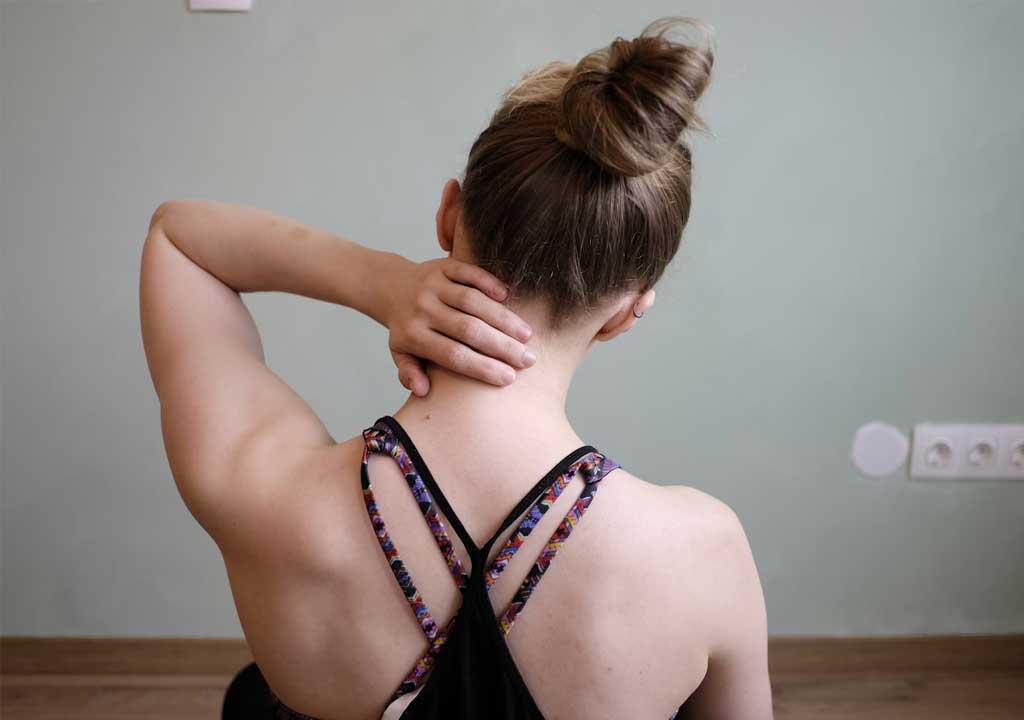
- Neck and upper shoulders: Gentle percussion along the trapezius and the base of the skull can release a tight upper back and neck. Care is essential here to avoid over-stimulation of sensitive structures. Start with light pressure and low amplitude, gradually increasing if tolerated.
- Upper back and shoulder blades: The rhomboids and rear deltoids often harbor knots from desk work or sports. Percussion devices with longer, moderate-range strokes can help loosen these regions without causing discomfort.
- Lower back and hips: The lumbar area and the hip flexors can accumulate tension after prolonged sitting or driving. Percussion aimed at the muscles surrounding the pelvis-such as the gluteus medius and piriformis-can improve mobility and reduce referred pain patterns.
- Hamstrings, calves, and plantar fascia: Sporting activities or long periods of standing can tighten these power muscles and connective tissues. Percussion over the hamstrings and calves can relieve stiffness and aid in recovery, while gentle tapping along the plantar fascia can ease arch-related discomfort.
- Forearms and wrists: Repetitive hand activities can produce tenderness in the forearm flexors and extensors. Lighter percussion in these regions can help with overuse symptoms and improve grip mechanics.
Techniques vary by device. Some practitioners favor slow, deliberate percussion to "work" a knot from multiple directions, while others employ rapid taps to provoke micro-movements within the tissue and encourage circulation. Many devices offer interchangeable heads-conical, spherical, flat-that change the contact area and the feel of the percussion. A smaller head concentrates force for precise points, while a larger head distributes pressure more evenly for broader muscle groups. The best practice is to start with a lower intensity and gradually advance, listening to your body and respecting any boundaries or pain signals.
Choosing the Right Tool: What to Look For
With a crowded market of percussion devices, selecting a tool that fits your needs can be daunting. Here are some practical criteria to guide your choice:
- Amplitude and speed: Amplitude refers to how far the head travels during each percussion stroke. Higher amplitudes deliver deeper pressure, while lower amplitudes are gentler. Speed is typically measured in percussions per minute. A device that offers a range lets you tailor the experience to the muscle group and tolerance.
- Noise and weight: If you plan to use the device at work or in a quiet space, consider models designed for low noise. Weight matters for long sessions; a lighter device reduces arm fatigue.
- Head variety: Interchangeable heads expand the range of muscles you can treat. A conical head is usually good for pinpoint work, a ball head for larger areas, and a wedge or fork shape can help with contours around joints.
- Controls and UI: Simple controls, clear indicators, and reliable battery life are important for ease of use. Bluetooth-enabled devices may offer guided programs, but ensure the app is user-friendly and does not complicate the routine.
- Heat, intensity presets, and safety features: Some devices incorporate heat to promote vasodilation and tissue pliability. Look for overheat protection and a pause feature if you hit a tender spot that you want to back off from.
- Durability and warranty: A well-built device with a solid warranty is worth the investment, especially for heavy users or athletes.
Beyond the device itself, consider your goals. If your aim is daily maintenance and post-workout recovery, a mid-range massager with a few intensity levels and several heads may be perfect. If you're targeting specific, stubborn knots or recovering from an injury under the guidance of a therapist, you might benefit from a more advanced model or professional-grade equipment.
Safety, Usability, and Common Pitfalls
Percussion therapy can be a powerful ally, but with any tool, safety and mindful use are essential. Here are some guidelines and cautions to keep in mind:
- Avoid bony areas and joints. Do not press directly on the spine, vertebrae, or ribs, and avoid tender bones such as the sternum or shin bones. Focus on muscle tissue and soft tissue planes.
- Start slow. Begin with a gentle setting and gradually increase intensity as your body adapts. If you experience sharp pain, dizziness, numbness, or a surge of discomfort, stop and reassess.
- Avoid broken skin or infection sites. Do not use percussion devices over areas with open wounds, burns, or skin infections. If you have circulatory problems, clotting disorders, or recently undergone surgery, consult a healthcare professional before using percussion therapy.
- Be cautious with acute injuries. If you have an acute strain or inflammation, heavy percussion may aggravate the problem. In such cases, use lighter massage or seek medical guidance before continuing.
- Allergies and sensitivities: Some users have sensitive skin or a heightened reaction to vibration. If you notice redness, skin irritation, or an exaggerated inflammatory response, reduce intensity or discontinue use.
- Complementary approaches: Percussion therapy works best as part of a well-rounded routine that includes stretching, hydration, posture work, and, when appropriate, professional therapy such as physical therapy or chiropractic care.
Before adopting percussion devices as a central part of a recovery plan, it's wise to assess your needs and, if possible, consult with a clinician or physical therapist who understands your history. They can help you identify pressure points that are most relevant to your activities and guide you on safe, effective techniques tailored to your body.
The Future of Tension Management: Personalization, AI, and Biofeedback
As sensing technology becomes more affordable and integrated, the future of pressure-point percussion therapy is likely to become more personalized. Here are a few directions to watch:
- Sensor-driven mapping: Some devices incorporate vibration sensors, pressure sensors, or even motion capture to map tension across a muscle group. This data can guide where to apply percussion and how deeply, much like a clinician palpates for knots but with real-time feedback.
- Adaptive programs: AI-enabled apps can adjust intensity, duration, and cadence based on your feedback, recovery status, and activity level. Over time, the device learns your preferences and muscle response patterns to optimize relief.
- Biofeedback integration: With wearable sensors tracking heart rate variability, skin temperature, and muscle activity (EMG), percussion therapy could be timed to periods of lower muscle resistance or peak readiness for recovery, creating a more holistic recovery ecosystem.
- Targeted modalities combined: Expect combinations of percussion with heat, cold therapy, oscillating pressure, or even light electrical stimulation to address both superficial tension and deeper tissue remodeling. The convergence of modalities aims for a smoother, faster return to optimal function.
Despite the allure of high-tech solutions, the core principle remains simple: radiation of energy (in the form of mechanical pulses) into tissues can help reduce tension when applied thoughtfully and within safe boundaries. The most exciting advances will empower users to translate the intuition of a skilled therapist into precise, repeatable sessions that fit into busy lives, while still respecting the body's feedback signals.
Practical Tips: Quick Start Guide for Using Percussion Devices
If you're new to percussion therapy, here's a practical, user-friendly framework to get started. This guide emphasizes safety, gradual progress, and sensible expectations about what percussion can do for you:
- Identify target areas first. Use your hands to locate knots, tenderness, and stiffness. Start with a large area and then narrow down to a hotspot if you feel comfortable.
- Choose the right head and setting. Begin with a softer head (or a lower intensity) on a large muscle group like the back or thighs. Move to a smaller head or a higher intensity only if tolerated.
- Limit each area to a few minutes. A common approach is 2-5 minutes per major region, with additional sessions as needed. If you feel fatigue rather than relief, reduce duration or intensity.
- Keep the device moving. Avoid staying on one exact spot for too long. Use smooth, sweeping strokes or gentle circular motions to distribute pressure evenly and prevent irritations.
- Apply before and after activity. A light pre-activity session can prepare tissues for movement, while a post-activity session may help speed recovery and reduce DOMS (delayed onset muscle soreness).
- Pair with stretching. After percussion, perform gentle stretches that target the treated muscles to reinforce the new range of motion.
- Hydration matters. Proper hydration supports tissue elasticity and the removal of metabolic byproducts produced during tissue work.
Conclusion: A Modern Bridge Between Pressure Points and Percussion
Modern devices that target tension through pressure points and percussion represent a thoughtful blend of ancient wisdom and contemporary science. They acknowledge that our bodies seek relief not just from fatigue but from the chronic patterns that accumulate through daily life. By delivering controlled, repeatable pulses to specific muscle groups and connective tissues, percussion devices can promote improved circulation, reduced stiffness, and a renewed sense of movement.
As you explore these tools, remember that the most effective approach is often layered: combine percussion with mindful movement, regular stretching, adequate rest, and, when necessary, professional guidance. The journey toward less tension isn't about a single device or a single workout; it's about building a responsive routine that listens to your body, respects its limits, and gradually reveals a more comfortable, flexible you.
In the end, pressure points and percussion aren't just about relief from discomfort. They're about restoring a natural rhythm to the body-an ongoing conversation between tissue, nerves, and movement. Modern devices give us new ways to participate in that conversation, offering tangible, personal pathways to less tension and more ease in a world that often encourages stiffness. Whether you're office-bound, an athlete in training, or someone navigating the aches that come with aging, these instruments can be a practical ally on the road to greater comfort and mobility.
LIKED THIS ARTICLE? SHARE IT: