














Realistic Expectations: What a Neck Massager Can and Cannot Do for Your Neck

Realistic Expectations: What a Neck Massager Can and Cannot Do for Your Neck
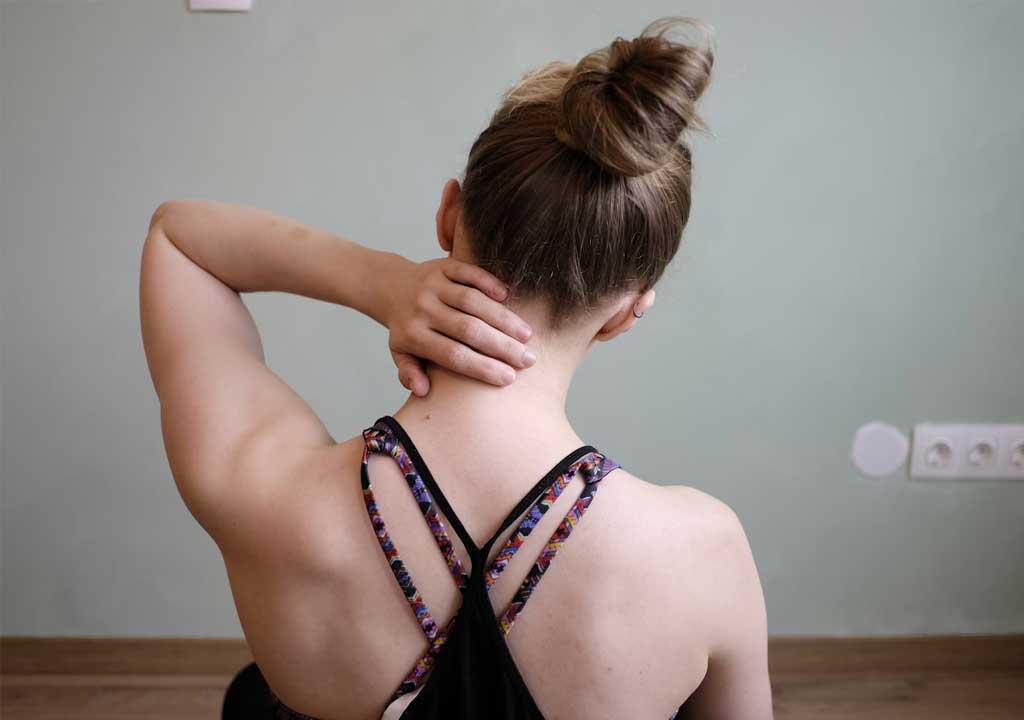
Neck pain and tension are increasingly common in our screens-and-sedentary-lifestyle world. From long hours at a desk to stress-filled days, the neck bears the brunt. A neck massager can be a handy self-care tool, but it's not a miracle cure. Understanding what these devices can realistically achieve-and where their limits lie-will help you decide when to use one, how to use it safely, and when to seek professional care. This guide breaks down the reality of neck massagers, distinguishing practical benefits from the things they cannot do.
What a neck massager is and how it works
A neck massager is a device designed to ease muscle tension and stiffness in the cervical region-the neck and the upper shoulders. There are many formats, including handheld devices, wrap-around massagers, kneading shiatsu-style rollers, percussion or vibration massagers, and inflatable cushions. Some models combine heat therapy, adjustable intensity, and even mild electrical stimulation features (like TENS or EMS) to complement the massage effect. While the specifics differ between products, the basic ideas are similar: mechanically stimulate the soft tissues, promote relaxation, and increase local blood flow to support recovery.
Most neck massagers work by applying pressure, kneading, tapping, or rolling motions to the muscles. A subset uses heat to help relax tight tissue, while others rely on vibration or percussive action to loosen knots and reduce stiffness. It's important to note that these devices act on muscles and soft tissues, not on bones or spinal structures. They don't straighten the spine or repair structural problems, but they can contribute to a more comfortable neck in the right circumstances.
What a neck massager can realistically do
- Relieve muscle tension and stiffness (temporarily). For many people, a short session (10-15 minutes) can reduce muscle tightness and improve perceived range of motion, at least for a while after use.
- Reduce perceived pain and discomfort. Some users report less soreness after a session, which can lower perceived neck pain intensity, especially when pain is due to muscle strain or stress.
- Promote relaxation and better sleep. The calming effects of massage-especially when combined with gentle heat or slower massage patterns-can help reduce overall arousal and support better sleep quality for some individuals.
- Improve blood flow and tissue pliability. Gentle stimulation can help promote local circulation, which may assist with tissue metabolism and waste removal after a long day of neck use.
- Support a self-care routine and posture awareness. Regular use, as part of a broader routine that includes stretching, strengthening, and ergonomic adjustments, can contribute to long-term neck comfort.
- Complement other therapies, not replace them. For mild, non-specific neck tension, a massager can be a helpful adjunct to heat, posture fixes, and gentle mobility work.
- Be a discreet, at-home option for stress relief and headaches linked to neck tension. If your headaches are primarily tension-type and driven by neck muscle hype, a session may provide some relief.
What a neck massager cannot do
- Fix structural problems or severe pathology. Neck massagers do not repair herniated discs, cervical radiculopathy with nerve compression, spinal stenosis, osteoarthritis with significant joint involvement, or instability. If you have known neck issues, a massager may help with muscle discomfort, but it won't correct the underlying problem.
- Cure chronic neck pain or a long-standing condition. While temporary relief is possible, many chronic neck conditions require a comprehensive plan, including medical evaluation, physical therapy, postural corrections, and sometimes imaging or further testing.
- Offer targeted diagnostic information. If you have red flags or neurological symptoms, a massager isn't a substitute for professional assessment. It won't identify the cause of symptoms or guide disease-specific treatment.
- Replace medical care for serious conditions. If you have fever with neck stiffness, severe trauma, numbness/weakness in the arms or legs, bowel or bladder dysfunction, or sudden severe neck pain, seek urgent medical attention rather than relying on a massager.
- Treat underlying systemic issues. Massagers don't manage inflammatory diseases, infection, autoimmune conditions, or severe vascular problems, which require clinician-directed care.
- Be a substitute for prescribed therapy. For many people with postural issues, prior injuries, or specific conditions, physical therapy, targeted exercises, and manual therapies guided by a clinician are essential parts of recovery.
Who should use a neck massager with caution
Most healthy adults can experiment with a neck massager for short periods. However, certain conditions or situations warrant caution or avoidance, and you should consult a healthcare professional before use:
- Recent neck injury or surgery
- Fracture or suspected fracture, spinal instability, or acute cervical trauma
- Osteoporosis with high fracture risk
- Pregnancy, especially in complicated or high-risk cases (check with an obstetrician)
- Pacemakers or other implanted electronic devices in the neck area
- Active infection, skin infections, or open wounds at the site of use
- Severe vascular conditions or carotid artery disease (avoid direct pressure over the front of the neck)
- Diabetes or neuropathy with reduced sensation in the neck or face (risk of burns or nerve irritation)
- Seizure disorders or other conditions where either the device's electrical components or indirect stimulation could pose a risk
If you're unsure whether a neck massager is appropriate for you, talk with a trusted clinician-primary care physician, physical therapist, or chiropractor-before starting use.
Safety best practices for using a neck massager
To maximize benefits while minimizing risk, follow these practical guidelines:
- Start low, go slow. Use the lowest intensity and shortest duration the first few times. Increase gradually as tolerated.
- Limit sessions. Begin with 5-10 minutes and limit to 1-2 sessions per day. Avoid falling asleep with the device on.
- Avoid the front of the neck. Do not place massager components directly on the trachea, larynx, or carotid arteries. Target the posterior neck and upper trapezius where muscles are located.
- Be mindful of heat. If your device includes heat, start with a cooler setting. Do not use heat if you have a rash, swelling, or sensory impairment that prevents you from feeling excess warmth. If you notice burning, stop immediately.
- Check your skin. Stop if you notice redness, irritation, or a rash. Clean the device according to the manufacturer's instructions to avoid skin or device-related issues.
- Don't use on acute injuries with severe pain or swelling. If there's convincing evidence of a recent injury, painful flare, or inflammation, consult a clinician first.
- Avoid use with other strong therapies in the same area. If you're using other modalities (like topical analgesics, hot/cold packs, or TENS) in the same region, exercise caution to prevent skin irritation or overstimulation.
- Monitor for adverse reactions. If you experience dizziness, headaches, numbness, weakness, or worsening neck pain after using a massager, stop and seek medical advice.
How to choose a neck massager that suits you
With many options on the market, a practical approach helps you pick a device that aligns with your goals and safety needs. Consider these factors:
- Decide whether you want kneading/shaking/rolling action, percussion, or a combination. Wrap-around designs often target the neck and upper shoulders, while handheld devices can focus on specific spots.
- Intensity options. Look for multiple speeds or intensity levels so you can tailor the experience to your comfort and tolerance.
- Heat and other features. If you like heat, choose a device with adjustable heat and an automatic shut-off for safety. Some devices offer gentle compression or vibration patterns that can be pleasant but not too intense.
- Ergonomics and fit. A wrap-around model should fit your neck size and shape comfortably. Consider weight, corded vs. cordless operation, and battery life if you prefer portability.
- Safety certifications and build quality. Check for safety standards, reputable brands, and reviews about durability and customer support.
- Maintenance and cleaning. Look for devices that are easy to clean and have replaceable parts or covers if you plan to use them regularly.
- Warranty and service. A longer warranty can be a sign of product quality and provide coverage if parts wear out.
Integrating a neck massager into a broader self-care routine
To maximize the benefits and ensure the massage supports overall neck health, combine device use with other practices:
- Posture and ergonomic adjustments. Check desk setup, screen height, chair support, and keyboard/mouse placement to reduce neck strain during the day.
- Gentle neck and upper back stretches. Incorporate slow, controlled stretches that target the cervical and upper thoracic regions. These can help maintain mobility between massage sessions.
- Periodic breaks from screens. Use the 20-20-20 rule (every 20 minutes, look at something 20 feet away for 20 seconds) to reduce neck fatigue.
- Hydration and hydration-friendly routines. Proper hydration supports tissue health, and a light post-mession routine with hydration can improve comfort.
- Stress management. Since tension often compounds with stress, combine massage with breathing exercises, mindfulness, or brief mobility routines to improve overall neck comfort.
When to seek professional care instead of or in addition to a neck massager
A neck massager can be a helpful self-care tool, but certain signs warrant professional evaluation:
- Persistent neck pain lasting longer than 4-6 weeks despite self-care
- Severe neck pain after an injury or trauma
- Neurological symptoms such as numbness or weakness in the arms or hands, loss of coordination, or trouble walking
- Fever, night sweats, weight loss, or persistent headaches with neck stiffness
- Persistent or worsening headaches that do not align with tension patterns
- Known medical conditions (e.g., rheumatoid disease, cervical spondylosis, cancer, infection) where neck symptoms could indicate a more serious issue
In these cases, a clinician may recommend imaging (like X-ray, MRI) or targeted therapies-physical therapy, manual therapy, injections, or other interventions. A neck massager can be part of a plan, but it should not be the sole treatment for significant or progressive neck problems.
Common myths about neck massagers
To set realistic expectations, it helps to debunk a few myths:
- Myth: Any neck pain should be relieved by a massager. While many people feel temporary relief, chronic or structurally rooted pain may not respond to massage alone.
- Myth: A stronger device will always work better. More intensity can help some people, but excessive force can worsen muscle strain or irritate nerves. Start gently and adjust gradually.
- Myth: If it feels good, it's safe for all neck conditions. Good sensation does not guarantee safety. Consider contraindications and individual risk factors.
- Myth: Massagers cure neck issues overnight. Most neck problems require a multi-faceted approach and time. A massager is a tool, not a cure.
Practical tips: getting the most out of your neck massager
Here are pragmatic steps to help you use a neck massager wisely and effectively:
- Choose the right device for your goals and comfort level, then stick with it for a few weeks to assess benefits.
- Use it as part of a daily routine or a few times per week rather than relying on it as the sole solution.
- Pair massage sessions with gentle stretches, mobility work, and posture checks to amplify benefits.
- Respect your body: if a pattern or setting causes pain, numbness, or dizziness, stop and reassess the approach or consult a clinician.
- Keep expectations aligned with your condition. If you have a known neck disorder, you may see modest improvement in softness and comfort rather than dramatic changes in structure.
Realistic outcomes: what to expect over time
Most people notice the following patterns after incorporating a neck massager into their routine, assuming they have no contraindicating conditions:
- Short-term relief after a session, particularly for muscle-associated tension and stiffness
- Better tolerance to daily neck use with improved ease of movement
- Possible improvements in sleep quality and perceived stress levels due to relaxation
- A sense of ongoing maintenance rather than a quick fix for chronic conditions
However, if your neck pain is chronic, has a strong mechanical component (for example, pain that worsens with certain neck movements), or is linked to a neurological symptom, you should expect that the massager is only one piece of a larger treatment plan, not a standalone solution. In such cases, you'll typically pair the device with targeted exercises prescribed by a clinician, ergonomic changes, and possibly other modalities.
Frequently asked questions
Below are quick answers to common questions people have about neck massagers:
- Does a neck massager help with headaches? It can help if the headaches are tension-type and linked to neck muscle tension. If headaches are frequent or severe, consult a clinician to rule out other causes.
- Can I use a massager every day? Many people use them daily for short sessions, but listen to your body. If you experience increased pain or discomfort, reduce frequency or intensity and consult a professional.
- Is heat safe for everyone? Heat is generally safe for many people, but avoid heat if you have impaired sensation, skin conditions, or an acute injury. Always follow manufacturer guidelines and start on a low setting.
- Will it prevent neck problems in the future? It may help with short-term comfort and relaxation, but long-term neck health relies on posture, activity balance, ergonomics, and targeted exercise, not a device alone.
Conclusion: using a neck massager with realistic expectations
A neck massager can be a practical, approachable tool for managing mild neck tension, promoting relaxation, and supporting a broader self-care routine. The key is a realistic understanding of its scope. It is not a cure for structural neck conditions, nor a substitute for medical evaluation when symptoms are persistent, progressive, or accompanied by red flags. When used prudently-in the context of safe guidelines, individual health status, and a broader plan that includes posture, mobility work, and professional guidance when needed-a neck massager can contribute positively to neck comfort and daily well-being.
Ultimately, the most effective approach is to view a neck massager as one component of a holistic strategy. Pair it with mindful movement, ergonomic improvements, adequate hydration, stress management, and timely medical advice. With the right expectations, you can make the most of this convenient tool while safeguarding your neck's health in the long run.
LIKED THIS ARTICLE? SHARE IT: