














Creating a Relaxation Routine with a Neck Massager

Creating a Relaxation Routine with a Neck Massager
In today's fast-paced world, carving out time to unwind can feel like a luxury. A neck massager is more than just a gadget; it can be a gateway to a calmer body and a clearer mind if used as part of a thoughtful routine. This guide will walk you through building a relaxation routine centered around a neck massager-covering how to choose a device, how to use it safely, and how to weave it into a daily or weekly practice that supports stress relief, better sleep, and overall well‑being. Whether you're dealing with tension from long workdays, desk-bound posture, or just the everyday grind, a well-planned routine can transform the simple act of massaging your neck into a powerful self‑care ritual.
Why a neck massager can be part of a routine
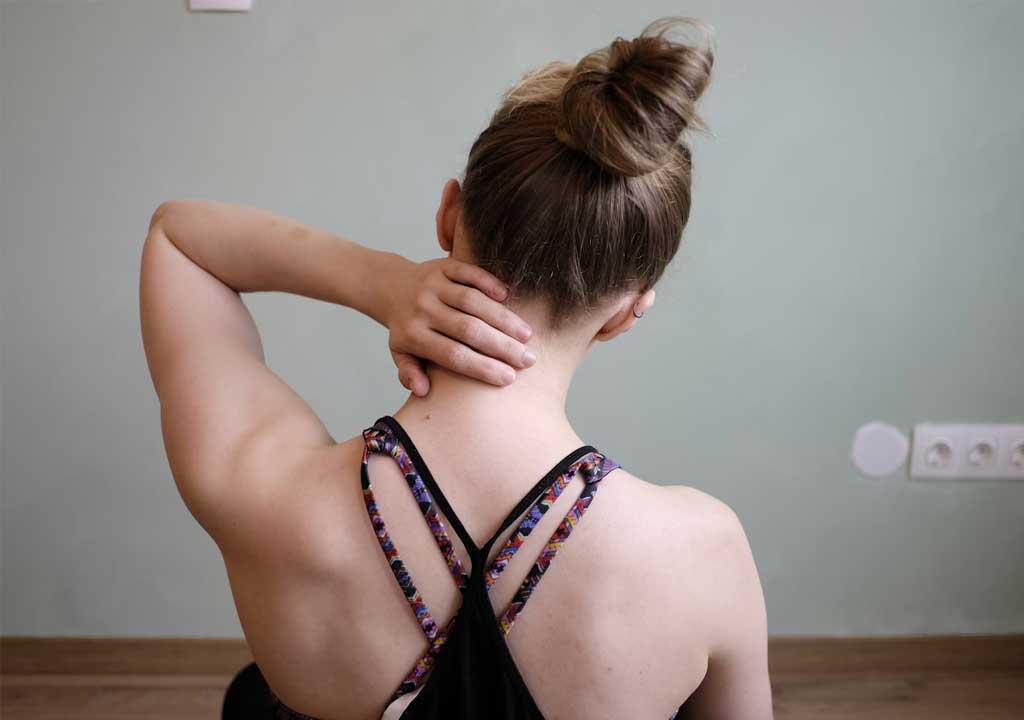
A neck massager can target the muscles and soft tissues around your neck and upper back, areas commonly affected by stress and screen time. Gentle kneading, vibration, and heat (if your device offers it) can help release muscle fibers, increase blood flow, and signal your nervous system to shift from a high-alert state to a more relaxed mode. When integrated into a routine, a neck massager becomes less of a one-off treat and more of a cue for your body to unwind at specific times-like after a long day, before bed, or during a mid-day break. The rhythm of consistent use can train your brain to associate certain moments with relaxation, making it easier to release tension even when you're not massaging.
Choosing the right neck massager
Not all neck massagers are created equal. Before purchasing, consider how you plan to use the device and what features align with your goals. Here are some practical factors to weigh:
- Massage type: Look for devices that offer a choice of kneading, pulsating, and shiatsu-style motions. Some models combine heat with massage-this can enhance relaxation but may feel intense for sensitive areas, so test intensity carefully.
- Intensity and speed options: A wide range of intensities helps you start gently and gradually increase as your muscles loosen. A few gentle cycles are often enough to begin a routine without overdoing it.
- Fit and control: The neck is a sensitive area, so a device with adjustable straps or ergonomic shapes that fit your neck's curvature is ideal. Simple, accessible controls let you tweak speed, heat, and mode without looking away from your breathing or posture.
- Heat settings: If you find that warmth enhances comfort, choose a model with adjustable heat. Use heat judiciously-too much heat or prolonged exposure can irritate the skin or cause discomfort.
- Safety features: Auto shut-off timers (to prevent overuse), skin-safe materials, and an even distribution of pressure are helpful. Some devices have overheat protection or pressure sensors that stop the massage if anything feels off.
- Portability and cleaning: If you plan to travel or use it at work, a lightweight, easy‑to‑clean model is convenient. Check whether the device is water‑resistant or if you should avoid cleaning wipes near electronic components.
- Power source: Decide between battery-powered, rechargeable, or plug-in devices. Rechargeable units are often easier for routine use, but consider battery life if you want uninterrupted sessions during travel.
Finally, read user reviews about comfort, durability, and how the device performs after multiple uses. A reliable massager that fits your neck shape and feels comfortable after several minutes is more likely to become a sustainable part of your routine than a device that feels nice only for a few sessions.
Safety considerations and contraindications
Relaxation should feel soothing, not alarming. While neck massagers are generally safe for many people, there are situations where you should exercise extra caution or avoid use altogether. Always consult a healthcare professional if you have any of the following concerns or conditions:
- Acute neck injuries or recent surgery: Give your body time to heal and follow your clinician's guidance.
- Chronic neck or spine conditions: If you have known issues such as cervical disc disease, foraminal stenosis, or neck instability, get medical clearance before using massage devices near the neck.
- Osteoporosis or fragility concerns: Fragile bones around the neck area may be at risk with aggressive pressure or vibration. Use gentle settings and follow device guidelines.
- Numbness, tingling, or radiating pain: If massage worsens symptoms, stop and seek professional advice. Persistent symptoms warrant an evaluation to rule out underlying causes.
- Implanted devices or medical devices: Pacemakers, cochlear implants, or other implanted devices can interact with certain massager features, especially electrical stimulation modes. Check with your doctor and the product manual.
- Skin issues or infections: Avoid areas with rashes, open wounds, or skin irritation. Clean the device as recommended and avoid applying topical products before massaging if advised by the manufacturer.
In addition to these considerations, start with a conservative approach. Begin with a short session on a low setting, and observe how your body responds. If you feel dizziness, numbness, intense pain, or any unusual sensation, stop immediately and reassess your approach or seek professional guidance. Remember, a relaxation routine is about comfort and ease, not about pushing through discomfort.
Designing a 20- to 30-minute relaxation routine
Creating a routine is about sequencing actions that cue your nervous system to unwind and your muscles to release tension. Here's a practical framework you can adapt to your device and preferences:
1) Prep and posture (about 3-5 minutes):
- Sit in a comfortable chair with your feet flat on the floor or lie on a bed or couch with a supportive pillow under your head. Keep your spine aligned and shoulders relaxed. Avoid tucking your chin too far in; a neutral neck position supports safe massage.
- If you use heat, apply a warm layer to your neck area before turning on the massager, or enable the device's heat function if it feels comfortable. Warmth can help muscles relax and increase blood flow.
2) Gentle baseline massage (5-7 minutes):
- Turn on the device at a low intensity. Allow the massager to locate the base of your skull and the upper trapezius muscles, then settle into a gentle rhythm. Let your breath deepen naturally as you notice where tension exists.
- Focus on areas that typically carry stress-tender spots near the base of the skull, the sides of the neck, and the tops of the shoulders. If any area feels uncomfortable, ease off or move the device to a different location.
3) Heat + massage combo (5 minutes):
- If your device offers heat, combine it with a light massage setting and steady breathing. Temperature can enhance tissue elasticity and help release fascia. Stay mindful of how long the heat is applied and avoid overheating the skin.
4) Gentle neck and shoulder stretches (5 minutes):
- While the massager is cooling slightly or after you finish a massage cycle, perform slow, gentle stretches. Gently tilt your head from side to side, then slowly rotate your neck in a circular motion. Pause if you feel any pain, and never force painful positions. These stretches can complement the massage by maintaining range of motion and encouraging blood flow.
5) Breathwork and mindful awareness (3-5 minutes):
- Sit or lie comfortably with your eyes closed. Inhale deeply through your nose for a count of four, hold for a count of four, exhale slowly through your mouth for a count of six to eight. Repeat several cycles. As you breathe, imagine tension melting away from the neck and shoulders.
6) Cool-down and post-massage care (2-4 minutes):
- Turn off the device and gently shake out your shoulders. A final light stretch and a few minutes of rest can help transition from a heightened state of alertness to a calmer, more centered one. If you plan to sleep, you can proceed to a calm bedtime routine rather than jumping up immediately after massaging.
7) Hydration and reflection (optional, 1-2 minutes):
- Drink a small glass of water to help flush out the metabolic byproducts of muscle work. Take a moment to note any shifts you observed in tension or mood. Journaling a quick line or two can reinforce the habit and reveal patterns over time.
Incorporating a neck massager into different daily rhythms
Two common contexts for using a neck massager are evenings and mid-day breaks. Each has unique benefits and considerations:
- Evening routine: Using the massager as part of your wind-down can signal to your body that sleep is approaching. The combination of warmth, rhythmic massage, and quiet breathing may help reduce cortisol and prime you for deeper sleep. If you're sensitive to stimulation before bed, keep sessions short and avoid overly intense modes; a calm, low-intensity routine often works best.
- Mid-day recharge: A brief middle-of-the-day session can relieve desk‑related tension, improve posture, and reset your energy. Keep the session to 10-15 minutes so it fits into a lunch break or a quick pause without causing fatigue. Pair it with a short walk or a few minutes of mindful breathing to extend the calming effect.
For both times of day, create a consistent cue: a specific chair or corner, a particular playlist, or a favorite relaxation phrase. Routine thrives on consistency, and a predictable pattern makes it easier to prioritize self‑care even on busy days.
Neck care beyond the massager
A neck relaxation routine doesn't rely solely on the device. Consider these complementary practices to deepen the effect and protect your neck health:
- Posture awareness: Throughout your day, check in with your neck and shoulder posture. If you sit for long periods, position your monitor at eye level, keep shoulders relaxed, and take short breaks to move every 30-60 minutes.
- Gentle daily mobility: Incorporate simple, neck-friendly movements such as chin tucks, slow side-to-side nods, and scapular squeezes. Move with control and avoid forcing ranges of motion that cause pain.
- Hydration and nutrition: Adequate hydration and a balanced diet support tissue health and muscle function. While not a substitute for targeted stretching and massage, they are helpful companions to any routine.
- Sleep posture: A comfortable pillow that supports the neck's natural curve can reduce morning tension. If you wake with stiffness, you may experiment with pillow height or sleeping on your back or side to see what reduces neck strain.
- Heat therapy alternatives: If heat isn't available or preferred, consider a warm towel or a short, gentle stretching routine to activate blood flow and loosen tissues. Always ensure the heat source isn't too hot and never apply directly to irritated skin for extended periods.
Common mistakes to avoid
Even well‑intentioned routines can slip into less effective patterns. Here are a few common pitfalls and how to avoid them:
- Overusing the device: More isn't always better. Prolonged sessions or very high intensity can cause soreness or skin irritation. Follow manufacturer guidelines and your body's signals.
- Ignoring pain signals: Neck area pain requires caution. If a movement or setting causes sharp or worsening pain, stop and reassess. Pain is a signal that something may be off.
- Skipping warm-up or cool-down: Jumping straight into massage or skipping the post-session stretch can limit the benefits. A short prep and cooldown help the muscles relax more completely.
- Inconsistent routine: A massager can be a powerful tool, but it works best when used consistently. Start with a modest schedule (e.g., 3-4 times per week) and gradually adjust as you feel more comfortable and able to commit.
- Neglecting safety reminders: Always review your device's manual for safety instructions, especially if you have sensitive areas, skin conditions, or implanted devices. Safety first helps ensure this routine remains a positive experience.
Troubleshooting and adjustments
If you find the routine isn't meeting your needs, small adjustments can make a big difference:
- Lower intensity, longer duration: If the sensation feels intense or uncomfortable, reduce the intensity or the duration of each session. Slow, gradual changes help you adapt without triggering tension.
- Alternate modes: If a single mode isn't relaxing, try a different pattern-some people respond better to steady kneading, while others prefer a pulsating effect or a lighter glide. Change one variable at a time to observe what helps.
- Temperature adjustments: Heat can be soothing for some but uncomfortable for others. If heat feels too strong, turn it off or shorten the exposure time. If you want more warmth, use a bathrobe layer or a warm cloth before you start.
- Device fit: If the massager doesn't feel like it sits well on your neck, adjust the straps or position. A poor fit can cause uneven pressure or discomfort. Take a moment to re-center the device before resuming.
- Cleaning and maintenance: Regular cleaning helps maintain hygiene and performance. Follow the manufacturer's cleaning instructions and avoid using harsh chemicals on electronic components. A clean device is more enjoyable to use and lasts longer.
Sample 7-day plan to establish your routine
If you're starting from scratch, a gentle weekly plan can help you build a sustainable habit. Here's a simple template you can adapt to your schedule:
Day 1-2: 10-12 minutes, evening, low intensity with heat. Focus on breathing and a calm environment. End with a 2-minute slow stretch and a short reflection.
Day 3: 12-15 minutes, evening, introduce a slightly longer cooldown and a 5-minute mindful breathing sequence. Keep intensity mild and prioritize comfort.
Day 4-5: 15-18 minutes, either evening or late afternoon. Add a brief mid-session stretch, then a brief hydration break. Assess how tension shifts across the neck and shoulders.
Day 6: 18-20 minutes, relaxed pace. Experiment with a non-heated mode if heat felt heavy earlier in the week. Conclude with a 5-minute breathing exercise and light stretching.
Day 7: Rest or light maintenance: a 5-7 minute massage plus 3-4 minutes of breathing. Use this day to plan for the next week based on what felt best.
Tips for ongoing continuity:
- Keep the device in a visible, accessible place where you'll see it daily. A visible cue helps reinforce the habit.
- Pair the routine with a companion activity you enjoy (a soothing playlist, a warm shower, or a favorite tea). Association with pleasant experiences strengthens routine adherence.
- Track your experiences in a simple notebook or notes app. Record what settings you used, how you felt before and after, and any changes in sleep or mood. Over time, you'll identify patterns and refine the routine to suit you best.
What to expect as you build your routine
In the first weeks, you may notice subtle shifts in how your neck feels, your mood, and your sleep quality. Tension tends to release gradually as you give your body regular, predictable breaks from stress. You may experience:
- Short-term relief from stiffness and headaches associated with muscular tension.
- Improved sleep quality and a calmer pre-sleep state, especially when the routine is part of a wind-down ritual.
- Increased body awareness-over time you'll notice which areas hold more tension and how best to address them with massage, stretching, and mindful breathing.
If you don't notice improvements after several weeks, consider consulting a healthcare professional to explore whether other factors (posture, ergonomics, or chronic conditions) may be contributing to persistent tension. A neck massager is a powerful tool, but it's most effective when used as part of a holistic approach to relaxation and neck health.
Cleaning, storage, and device care
To keep your device safe and effective, follow these general guidelines. Always refer to your manufacturer's instructions for device-specific recommendations.
- Clean the exterior after use with a soft, damp cloth. Avoid getting water or cleaning solutions into any electrical components unless the manual says it's safe.
- If the device is shock- or vibration-based, ensure it's turned off and unplugged (if applicable) before cleaning. Allow it to dry completely before storing.
- Store in a cool, dry place away from direct sunlight and keep it out of reach of children. A bag or case can help protect the device during travel.
- Inspect straps, pads, and fasteners regularly. If you notice signs of wear or loose components, replace parts according to the manufacturer's guidance.
Integrating a neck massager with other relaxation tools
To maximize the benefits of your relaxation routine, consider layering the massager with complementary tools and practices. A few possibilities:
- Breathing and meditation apps or guided audio: A short guided session can help you maintain an even tempo and deepen the sense of calm during your routine.
- Aromatherapy diffusion (not applied to skin or device): Using a diffuser with calming essential oils can create a relaxing atmosphere without interfering with the device's electronics. Avoid applying oils directly on the neck or onto the massager's pads, unless the manufacturer explicitly allows it.
- Gentle progressive muscle relaxation: Systematically tense and release major muscle groups (jaw, shoulders, arms, abdomen, legs) in a 10-15 minute protocol before or after the massage to promote full-body relaxation.
- A warm beverage or herbal tea: Sipping something comforting can deepen the sense of ritual and calm, particularly in the evening.
What to know about accessibility and inclusivity
Relaxation routines should be accessible for diverse bodies and situations. Here are a few considerations to keep in mind:
- If you have limited mobility, adapt the routine to seated or lying positions that feel secure. Use supportive cushions or a stable surface to ensure safety during movement and stretching.
- For caregivers or people with chronic pain, modify the routine's intensity and duration to stay within comfortable limits. Small, consistent sessions are often more sustainable than longer, more intense ones.
- If you experience anxiety or stress related to neck discomfort, approach the routine gradually and with patience. Slower transitions and shorter sessions may be more effective for reducing distress than longer bursts of activity.
Conclusion: making relaxation a habit with a neck massager
A neck massager can be a valuable ally in your relaxation toolkit when used thoughtfully and consistently. By choosing the right device, respecting safety guidelines, and weaving massage into a broader routine that includes breathwork, gentle movement, and mindful awareness, you can create a practical, enjoyable habit that supports neck comfort, mood regulation, and sleep quality. Remember that relaxation is not a single moment of relief but a skill you cultivate. Start with small, achievable steps, honor your body's signals, and let your routine evolve as you learn what works best for you. With patience and consistency, a simple neck massage can become a reliable anchor for daily calm in the midst of life's busyness.
LIKED THIS ARTICLE? SHARE IT: